Portfolio


Achievement Badges









+880 1895-615585
hey@shahriaribnealam.dev
Dhaka, Bangladesh
Available
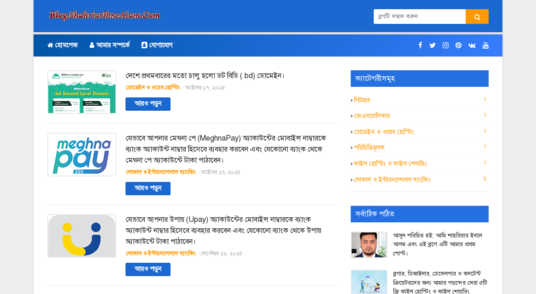
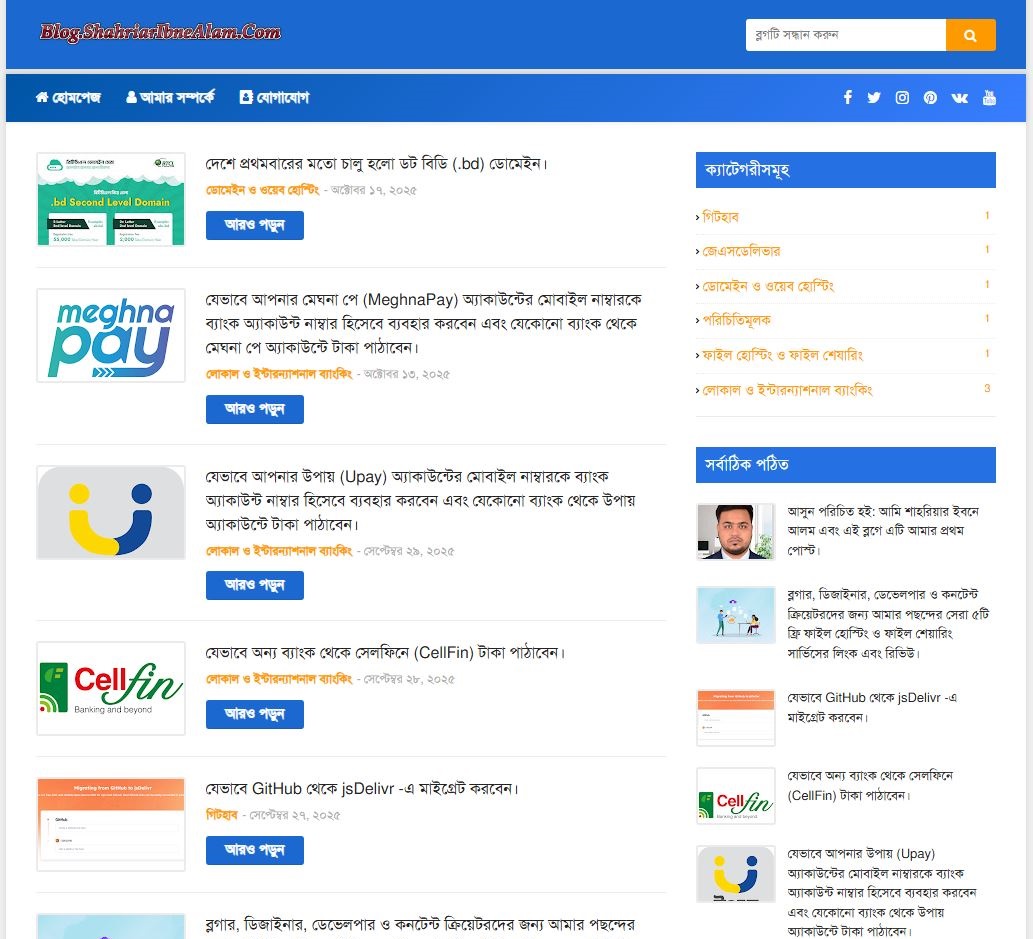
Tech Prohor is a dynamic technology blog website designed to serve Bangladesh’s digital community by delivering up-to-date tech news, tutorials, and reviews in the Bengali language. My role was to create a visually appealing, user-friendly, and SEO-optimized website that effectively showcases the client’s content and engages a wide audience of tech enthusiasts. The client sought a platform that would load quickly, be mobile-friendly, and present technology-related information in an accessible and culturally relevant manner. Their goal was to establish a reliable resource for Bangladesh’s tech community. I began the project by conducting in-depth discussions with the client to understand their requirements and objectives. Following this, I designed a custom interface that incorporated Bengali typography and aligned with local cultural aesthetics. The website was built using modern web development technologies, including HTML, CSS, JavaScript, and a content management system, making it easy for the client to update content independently. To enhance visibility, I implemented SEO best practices, ensuring the site ranks well on search engines. Additionally, I prioritized a mobile-responsive design to ensure seamless performance across all devices. Upon completion, Tech Prohor gained significant traction within Bangladesh’s tech community, with the client receiving positive feedback from their readers. This project highlights my expertise in web design, development, and delivering tailored solutions that meet client needs while driving meaningful engagement.
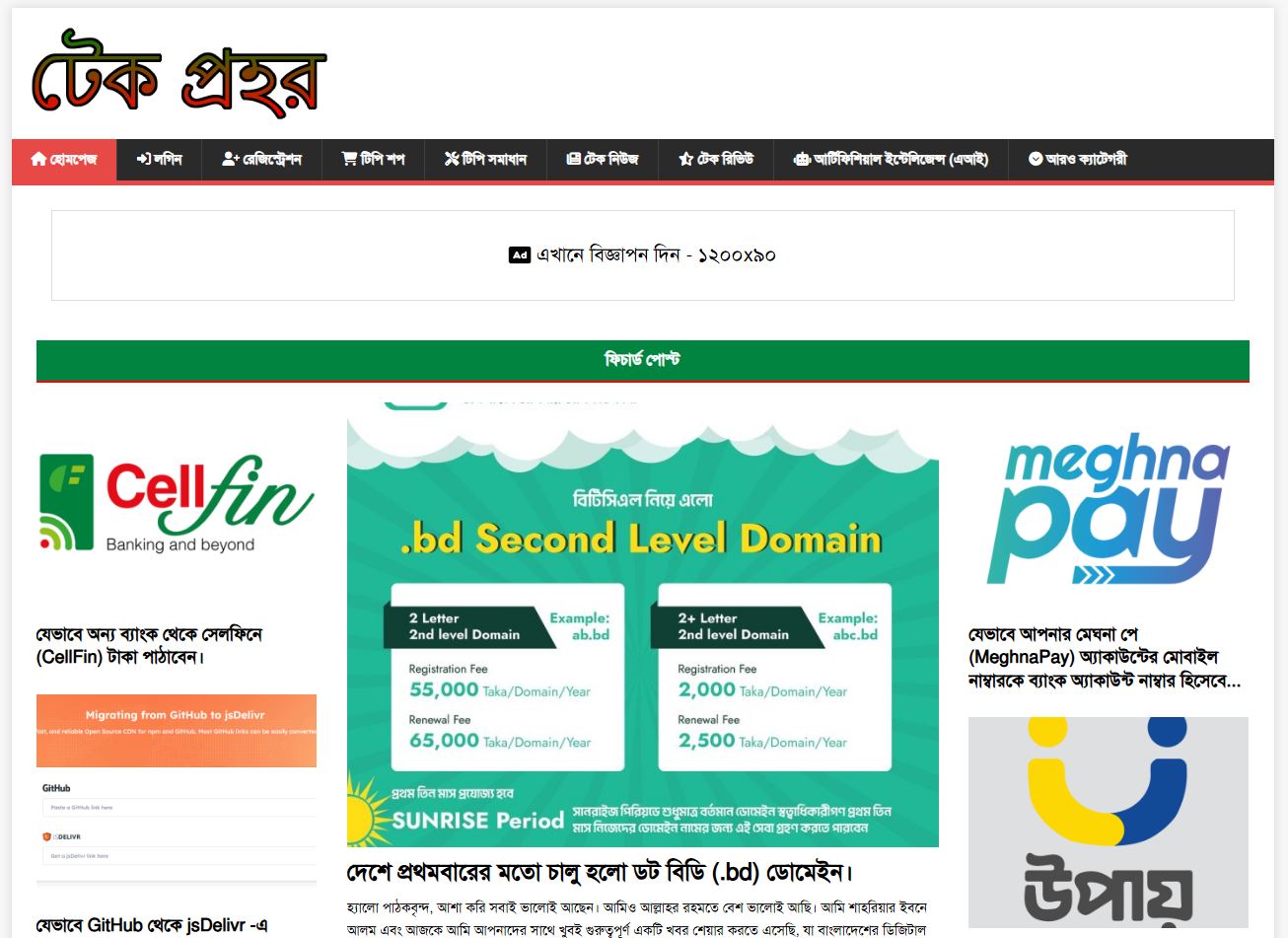
The Blog - Shahriar Ibne Alam is a dynamic platform dedicated to delivering technology-related content in Bengali, tailored for Bangladesh’s growing digital community. My role was to create a visually appealing, user-friendly, and SEO-optimized website that enables the client to share their expertise as a blogger, designer, developer, and content creator with a tech-savvy audience. The client’s vision was to establish a reliable and engaging resource that resonates with Bengali-speaking users, offering accessible insights into various technology topics. To achieve this, I collaborated closely with the client to understand their goals and preferences. I designed a custom interface that incorporated Bengali typography and a modern, intuitive layout to reflect the cultural and aesthetic expectations of the target audience. Using modern web development technologies, including XML, HTML, CSS, JavaScript, and a content management system, I ensured the website was easy to manage, allowing the client to update content effortlessly. SEO strategies were implemented to enhance the site’s visibility on search engines, and a mobile-responsive design was prioritized to ensure seamless functionality across all devices. Upon completion, the website successfully launched as a go-to platform for tech enthusiasts, earning positive engagement from its readers. This project highlights my ability to deliver customized, high-quality web solutions that align with client objectives and foster meaningful connections with their audience.
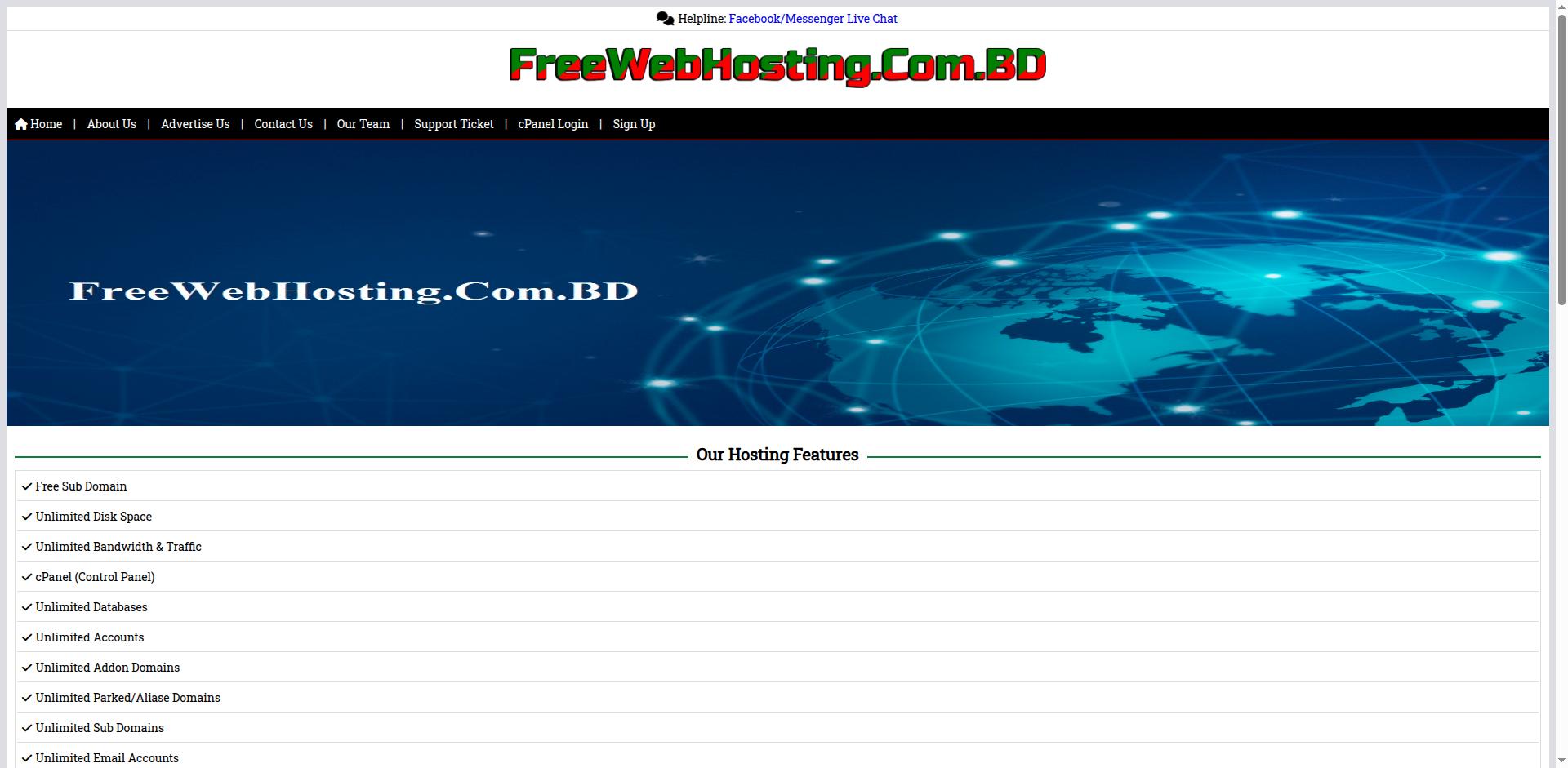
Free Web Hosting BD represents a groundbreaking initiative as the world's first Bangladeshi ".BD" domain-powered unlimited free web hosting service provider, designed to empower individuals and businesses in Bangladesh with accessible, cost-effective online solutions. My responsibility was to craft a robust, user-centric website that not only promotes these pioneering services—such as unlimited free web hosting with cPanel, complimentary ".BD" domain registration, and seamless integration of tools like website builders, email hosting, and one-click installers for applications like WordPress—but also builds trust and drives user adoption in a competitive digital landscape. The client envisioned a platform that democratizes web presence for the local market, eliminating barriers like hidden fees, ads on hosted sites, and limited resources, while emphasizing security through free SSL certificates and 24/7 support. Starting with in-depth consultations to align on their ambitious goals and target audience, I conceptualized a bilingual (Bengali-English) interface that prioritizes simplicity, cultural relevance, and intuitive navigation to guide users effortlessly from sign-up to site deployment. Employing modern technologies including PHP, HTML, CSS, JavaScript, and a scalable content management system, I ensured the site was optimized for high performance, with unlimited bandwidth and storage in mind to mirror the hosting ethos. SEO enhancements were woven in to boost visibility for Bangladeshi users searching for free hosting options, and full mobile responsiveness was implemented to accommodate diverse devices prevalent in the region. The outcome is a platform that has quickly garnered positive testimonials for its ease of use and reliability, positioning the client as a trailblazer in local web services and fostering a loyal user base through features like no-ad hosting and responsive customer support. This project exemplifies my proficiency in creating innovative, market-specific web solutions that blend technical excellence with strategic user engagement to fuel business innovation and growth.
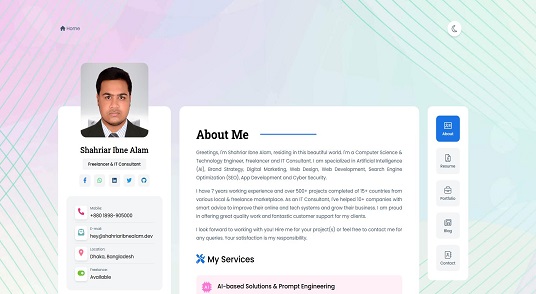
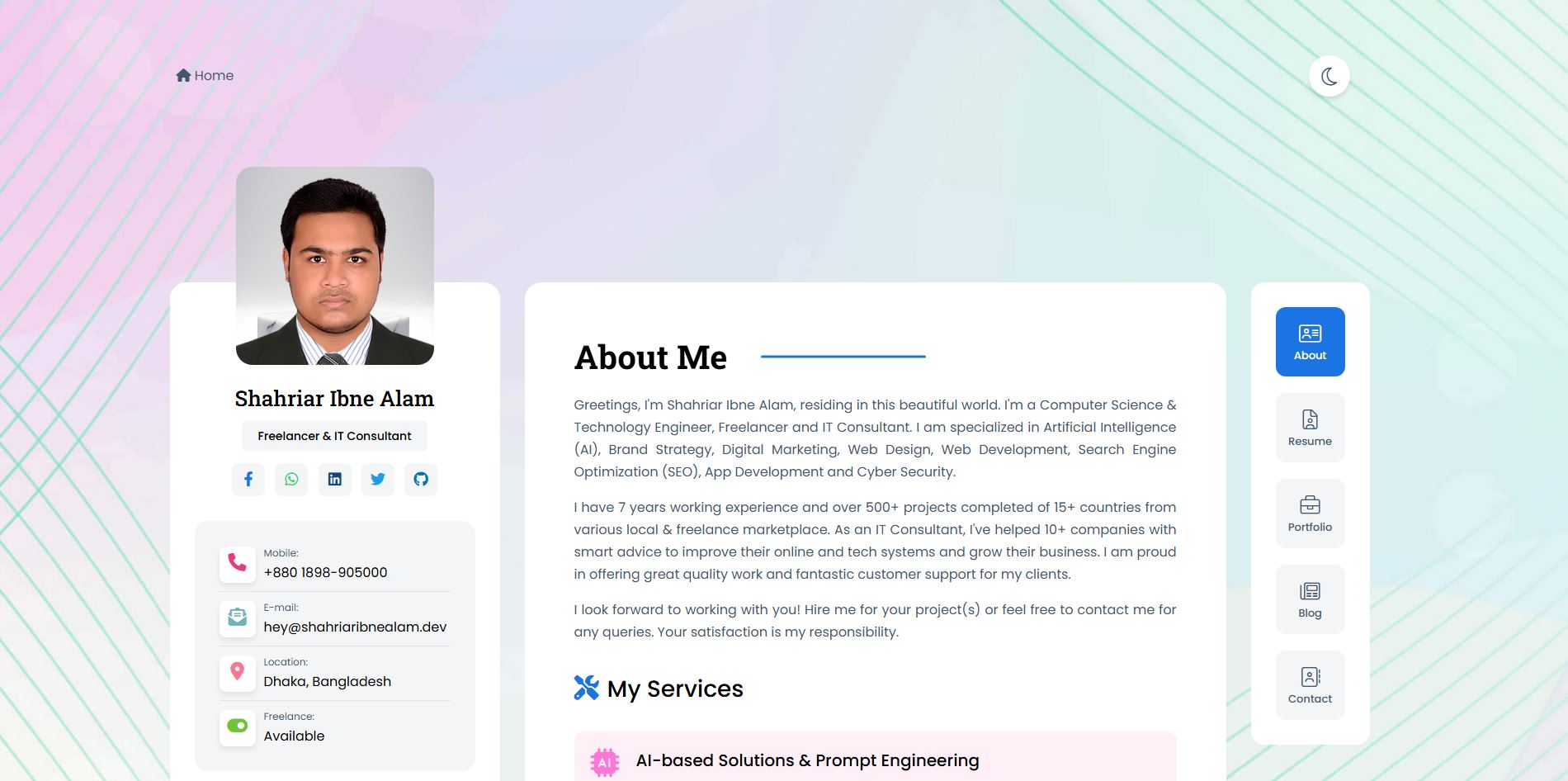
The Shahriar Ibne Alam's Portfolio Website is a professionally crafted platform designed to showcase the client’s extensive expertise as a Computer Science & Technology Engineer, Freelancer, and IT Consultant specializing in areas such as Artificial Intelligence, Brand Strategy, Digital Marketing, Web Design, Web Development, SEO, App Development, and Cyber Security. My role was to develop a visually appealing, user-friendly portfolio website, complemented by strategic SEO and digital marketing efforts, to effectively position the client as a leading professional in the global freelance and IT consulting market. The client’s goal was to create a dynamic online presence that highlights their seven years of experience, over 2500+ completed projects across 15+ countries, and their ability to deliver high-quality, client-focused solutions to a diverse audience. I began by collaborating closely with the client to understand their vision, target audience, and branding objectives. Using modern web development technologies, including PHP, HTML, CSS, JavaScript, and a robust content management system, I built a responsive website that seamlessly showcases the client’s services and achievements while ensuring easy navigation and content management. To enhance the site’s visibility, I implemented tailored SEO strategies, optimizing content and structure to improve search engine rankings and attract organic traffic from professionals and businesses seeking IT and freelance services. Additionally, I executed a customized digital marketing campaign, leveraging social media platforms and targeted advertising to amplify the client’s reach and establish their brand authority. The result was a polished, high-performing website that not only reflects the client’s professional identity but also drives engagement and inquiries from potential clients worldwide. This project underscores my ability to deliver integrated web solutions, combining design, development, SEO, and digital marketing to create impactful online platforms that align with client goals and foster business growth.
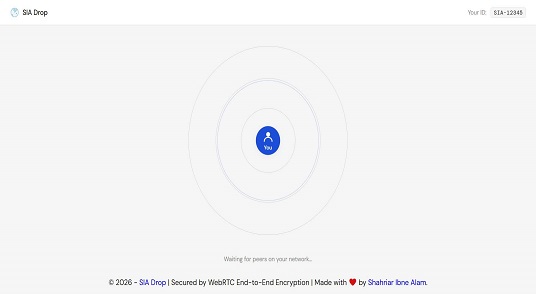
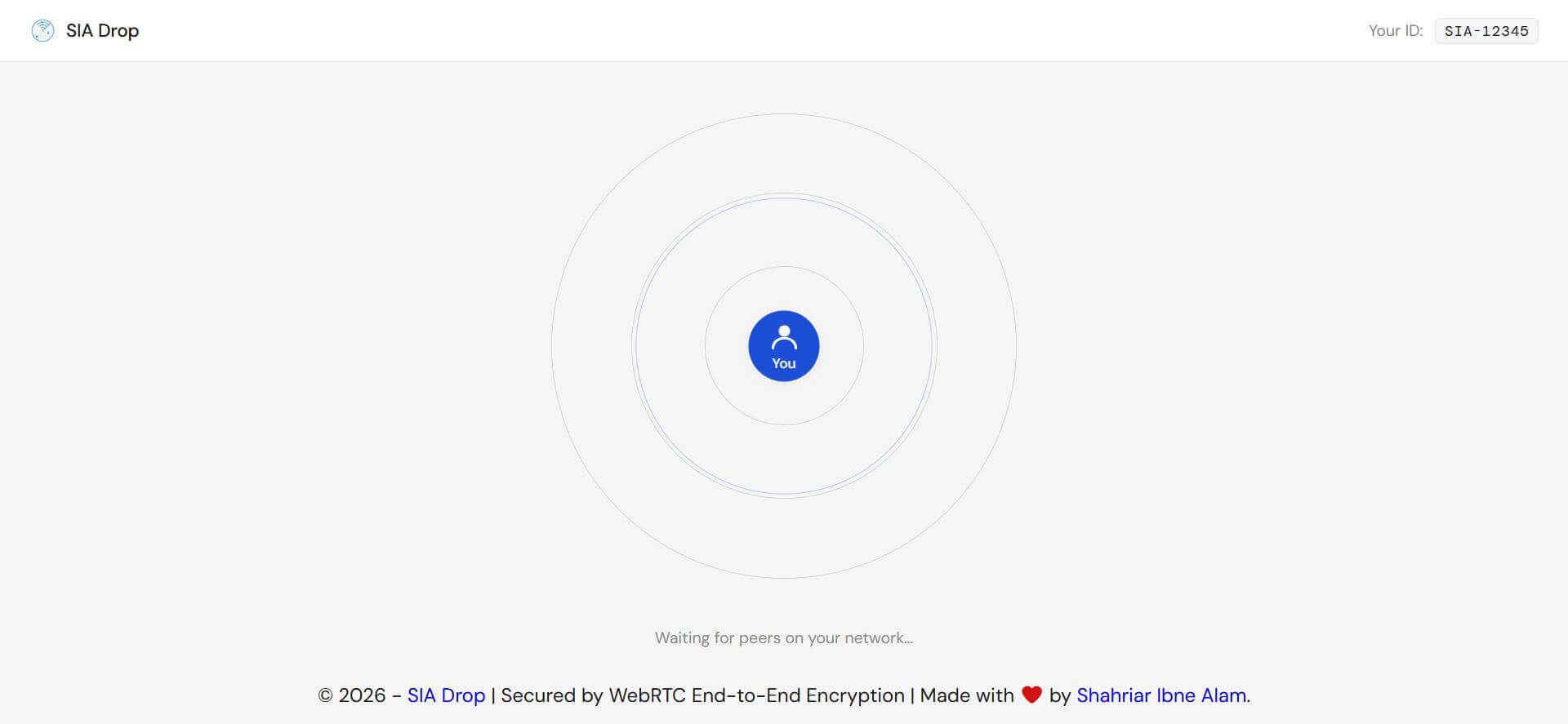
SIA Drop is a lightweight and secure peer-to-peer file transfer web application designed to facilitate direct data sharing between devices without the need for intermediary cloud servers. Inspired by ecosystem-specific solutions like Apple AirDrop and open alternatives like ShareDrop, the primary objective of this project was to overcome the limitations of traditional file-sharing methods. Standard cloud services often require users to upload files to a third-party server before downloading them on another device, which compromises data privacy and consumes unnecessary internet bandwidth, especially when devices are on the same local network. SIA Drop solves this by establishing a direct browser-to-browser connection, ensuring complete data privacy and maximizing transfer speeds.
The application is built using a modern, minimalist tech stack focused on high performance and zero-latency user experiences. The frontend architecture relies entirely on native HTML5, CSS3, and modern Vanilla JavaScript to avoid the overhead of heavy frameworks, ensuring that the application remains lightweight and loads almost instantly. The core peer-to-peer networking layer is powered by WebRTC and the PeerJS library, which simplifies the complex handshake process required to establish secure data channels between distinct browser instances. The entire project is managed and optimized using the Vite build tool and deployed globally via Cloudflare Pages for resilient, high-speed static hosting.
In terms of functionality, SIA Drop operates entirely on a serverless model. When a user opens the web application, a unique connection identifier is generated. Once a second device connects using this ID, a secure WebRTC data channel is established. File transfers are executed by leveraging the JavaScript FileReader API, which breaks the selected file into small binary data chunks and streams them directly to the receiving peer, where they are dynamically reassembled and downloaded. This cross-platform compatibility ensures that users can seamlessly transfer files between varying operating systems, including Android, iOS, Windows, and macOS, directly through their default web browsers.
Developing SIA Drop introduced several technical challenges, particularly regarding Network Address Translation traversal and maintaining stable WebRTC connections across different network configurations and browser engines. Overcoming these hurdles required a deep understanding of networking protocols and browser APIs, as well as implementing robust data chunking mechanisms to handle large files without crashing the browser's memory. This project serves as a strong demonstration of the power of modern web standards, proving that highly efficient, secure, and decentralized utility applications can be built and run entirely within the client environment.
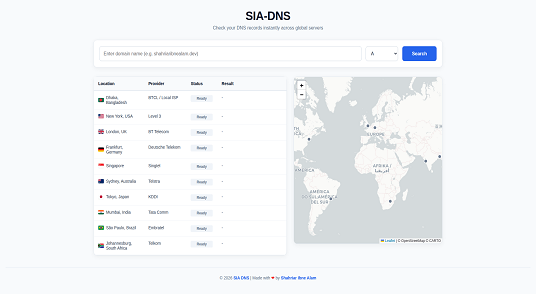
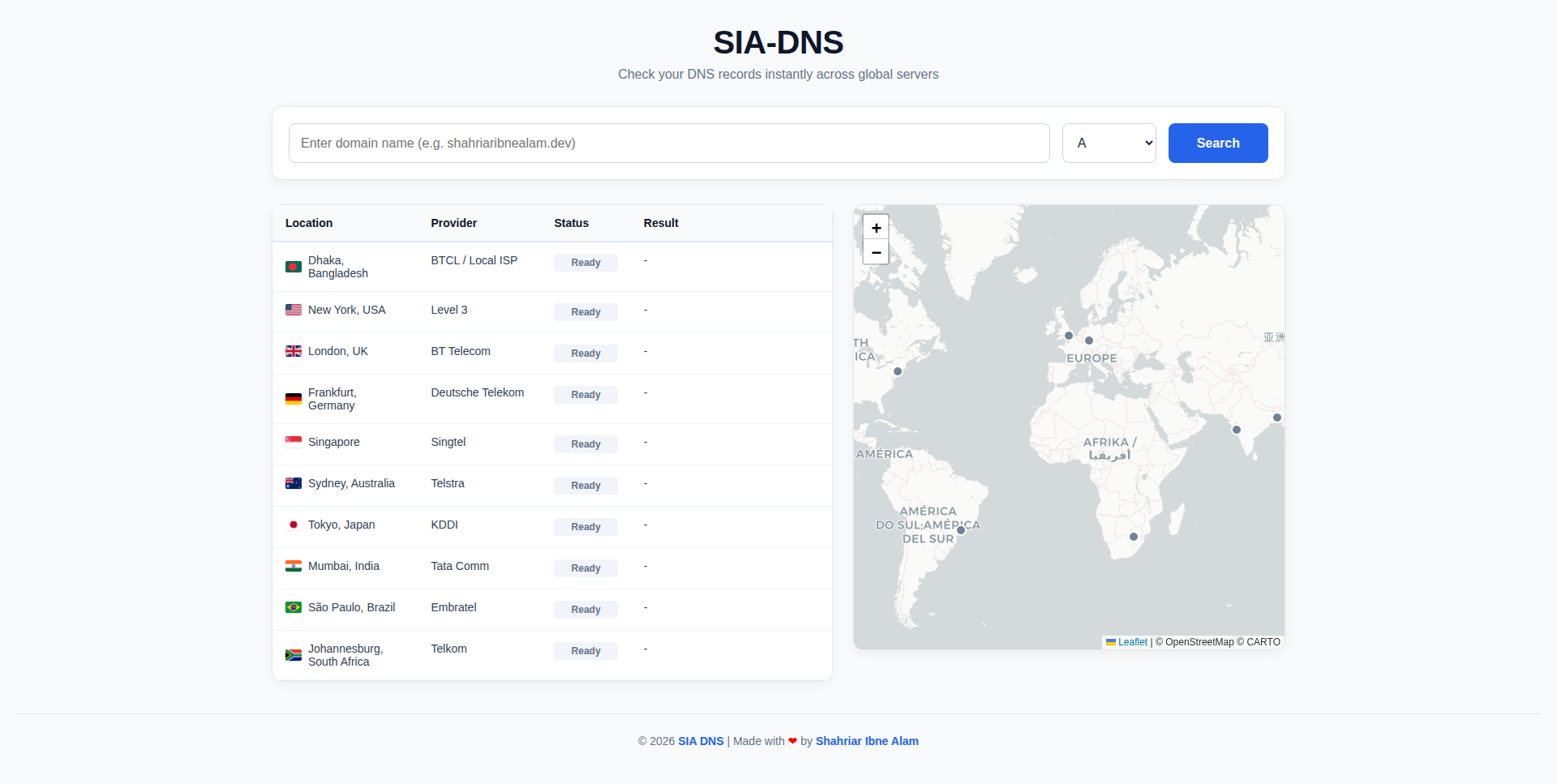
SIA-DNS is a high-performance, web-based utility developed to simplify the often-complex process of monitoring global DNS propagation. Designed for developers, system administrators, and digital marketers, the platform addresses the need for a fast and visual way to verify how DNS records resolve across different international regions. By moving away from clunky, traditional command-line tools, SIA-DNS provides a streamlined interface that allows users to instantly check various record types—such as A, AAAA, MX, and TXT—from diverse global nodes.
The tool was built using a minimalist approach with vanilla JavaScript, HTML5, and CSS3 to ensure maximum performance and zero dependency overhead. At its core, the application integrates Cloudflare’s DNS-over-HTTPS (DoH) API to execute secure, asynchronous queries. To enhance the user experience, I integrated Leaflet.js, which powers an interactive global map that visualizes DNS resolution status across major network hubs including Dhaka, New York, London, and Tokyo. The architecture prioritizes efficiency, using asynchronous fetch requests to handle multi-server lookups concurrently, resulting in a responsive and snappy interface.
A significant focus of this project was creating a distraction-free, mobile-first design. The UI employs a color-coded system that provides immediate visual feedback—ranging from "Success" to "Error" states—making technical data easily interpretable even for non-experts. By utilizing a responsive grid layout, the tool ensures that users have a consistent experience whether they are troubleshooting on a desktop or verifying domain connectivity on the go.
SIA-DNS has effectively simplified technical workflows by replacing repetitive command-line dig or nslookup tasks with a single-click web solution. It has become a valuable resource within my professional workflow and for the local tech community in Bangladesh, allowing for the rapid diagnosis of domain connectivity and propagation issues. This project not only demonstrates my ability to handle complex API integrations and geospatial data visualization but also highlights my commitment to building user-centric tools that solve real-world technical challenges efficiently.
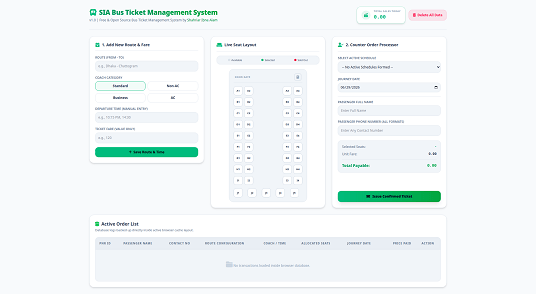
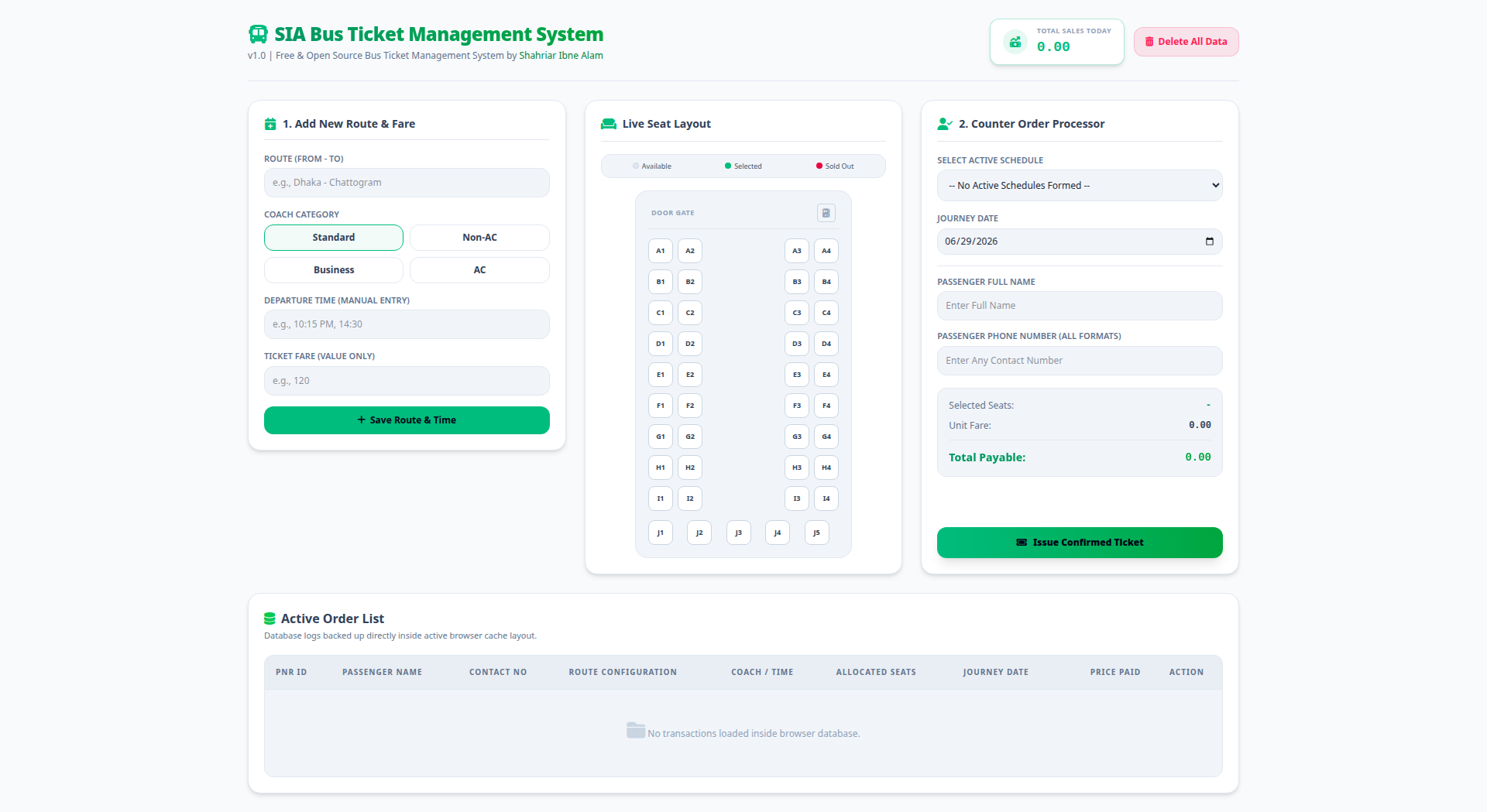
The SIA-BTMS project was born out of a desire to redefine how small-scale booking systems are deployed and managed. Traditional reservation platforms often require complex backend infrastructure, server maintenance, and database management, which can be prohibitive for simple use cases or quick deployment scenarios. My primary goal with this project was to prove that a fully functional bus ticket management system could exist entirely within the client-side environment, removing the need for server-side dependencies while maintaining a professional and seamless user experience.
The core of this application relies on a sophisticated databaseless architecture. By utilizing the browser's native storage capabilities, specifically IndexedDB and LocalStorage, the application persists booking data locally on the user's device. This design choice not only eliminates the costs and complexities associated with backend hosting and database administration but also significantly enhances performance. Because the logic is executed directly in the browser, users experience near-instant load times and the ability to operate the application entirely offline once the initial assets are cached.
Developing the user interface required a careful balance between aesthetic appeal and functional clarity. I utilized modern web technologies, including HTML5, CSS3, and Tailwind CSS, to ensure the platform is fully responsive across all devices, from desktop monitors to mobile smartphones. The interactive seat selection feature was designed to provide real-time visual feedback, mimicking the experience of enterprise-grade booking portals. Furthermore, I integrated client-side PDF generation logic, which allows users to download or print their tickets instantly, completing the end-to-end booking workflow without ever communicating with a remote server.
This project stands as a testament to the power of modern client-side JavaScript. It successfully demonstrates how efficient, secure, and portable applications can be built by leveraging the capabilities of the browser. By prioritizing a zero-server setup, SIA-BTMS is not only easy to maintain and deploy but also serves as an ideal solution for small-scale transport management or as a reliable proof-of-concept for larger, more complex systems. This experience has deepened my expertise in browser-side data persistence and front-end architectural design, showcasing my ability to build high-performance solutions with minimal overhead.
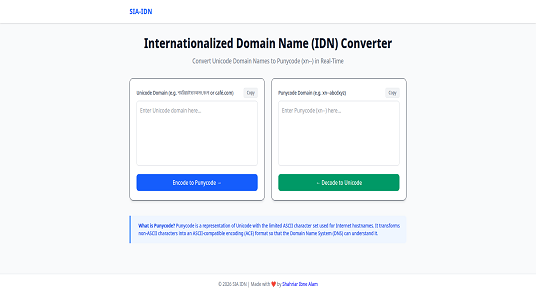
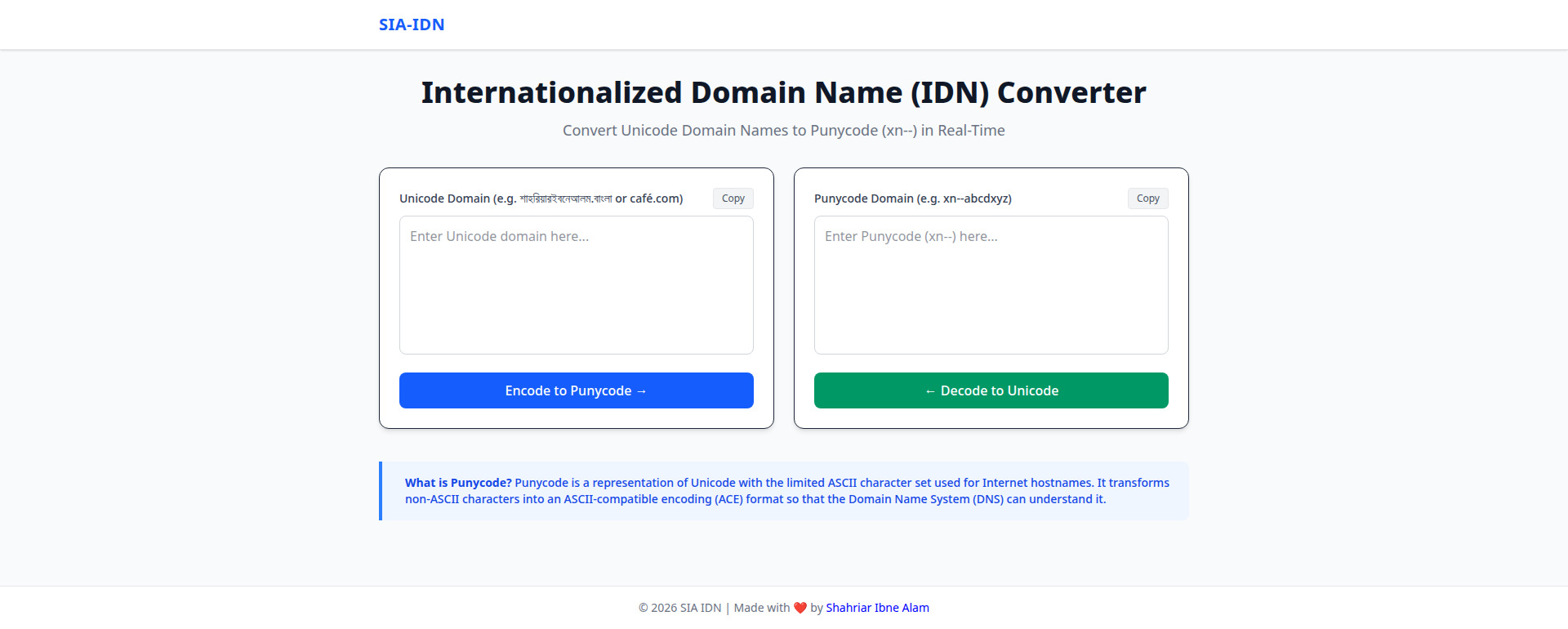
The SIA-IDN project was developed to address the growing necessity of managing Internationalized Domain Names (IDNs) in an increasingly multilingual digital landscape. As the internet expands to include non-Latin scripts, the requirement to convert Unicode characters into their ASCII-compatible Punycode format has become a critical task for developers and domain administrators. My objective was to create a utility that simplifies this technical hurdle, providing a fast, secure, and intuitive interface that handles complex character sets, particularly Bengali, with high precision and reliability.
At the heart of the application is a commitment to performance and privacy through a 100% client-side architecture. By eliminating server-side processing, I ensured that every conversion occurs instantly within the user's browser, guaranteeing that sensitive data never leaves the client’s device. The application leverages the robust Punycode.js library to handle the intricate encoding standards required for IDNs, while incorporating custom logic for Unicode Normalization (NFC). This ensures that complex Bengali conjuncts and vowel signs are processed flawlessly, preventing the character distortion that often plagues less optimized converters.
The user experience was crafted with minimalism and efficiency as the guiding principles. The interface features a real-time auto-conversion mechanism that eliminates the need for redundant button clicks, providing immediate feedback as the user types or pastes text. I utilized Tailwind CSS to build a fully responsive layout that maintains its clean aesthetic across all platforms, from desktop workstations to mobile devices. To further enhance productivity, I integrated a non-intrusive one-click copy function that provides subtle visual confirmation, allowing users to streamline their workflow without the disruption of traditional pop-up alerts.
Building SIA-IDN allowed me to deepen my understanding of character encoding, Unicode standards, and the sophisticated capabilities of modern browser APIs. This project serves as a clear demonstration of my ability to transform complex technical requirements into user-friendly, high-performance web tools. By focusing on a zero-server approach, I have created a solution that is not only highly secure and lightweight but also exceptionally reliable for developers dealing with the complexities of globalized domain registration.
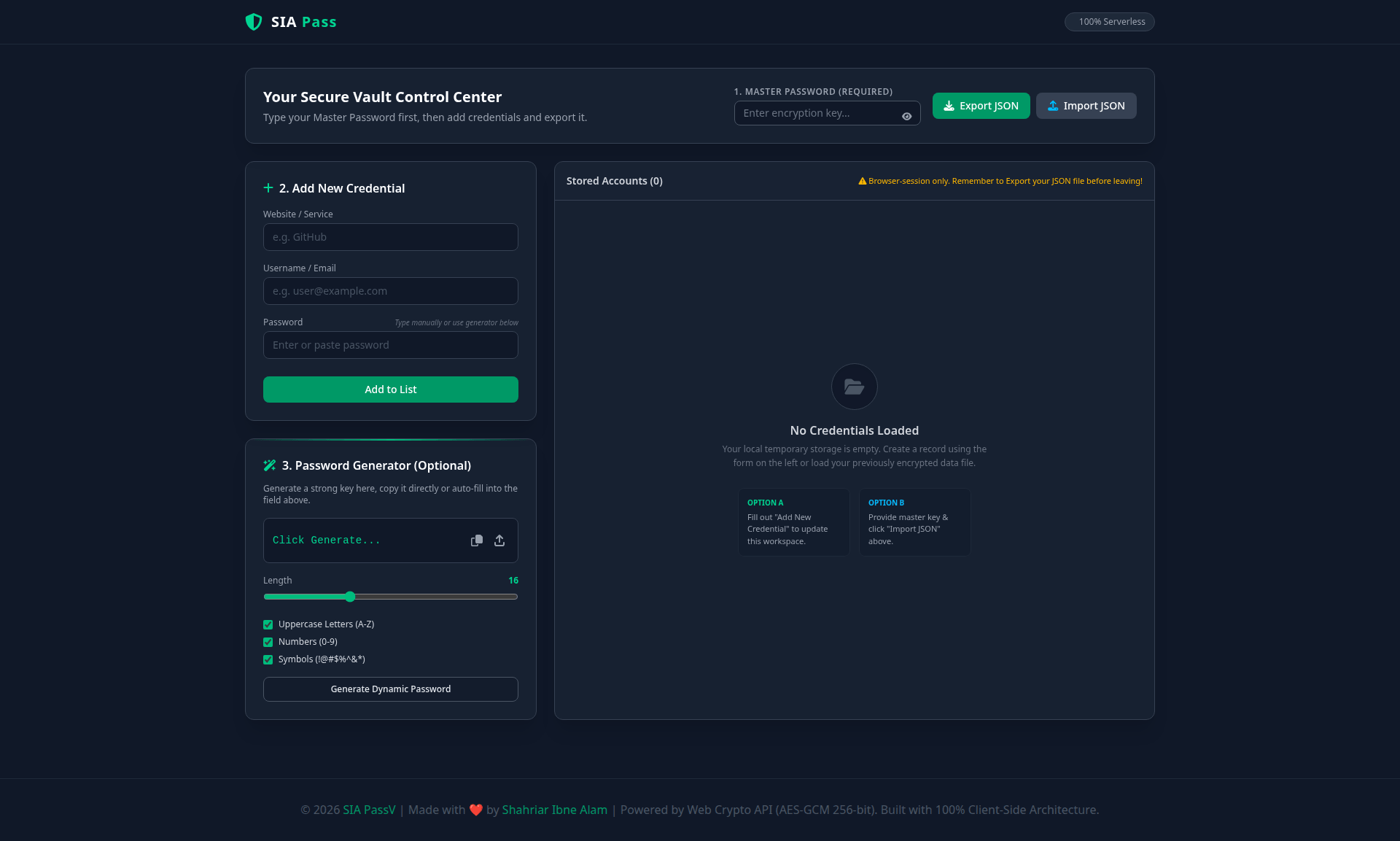
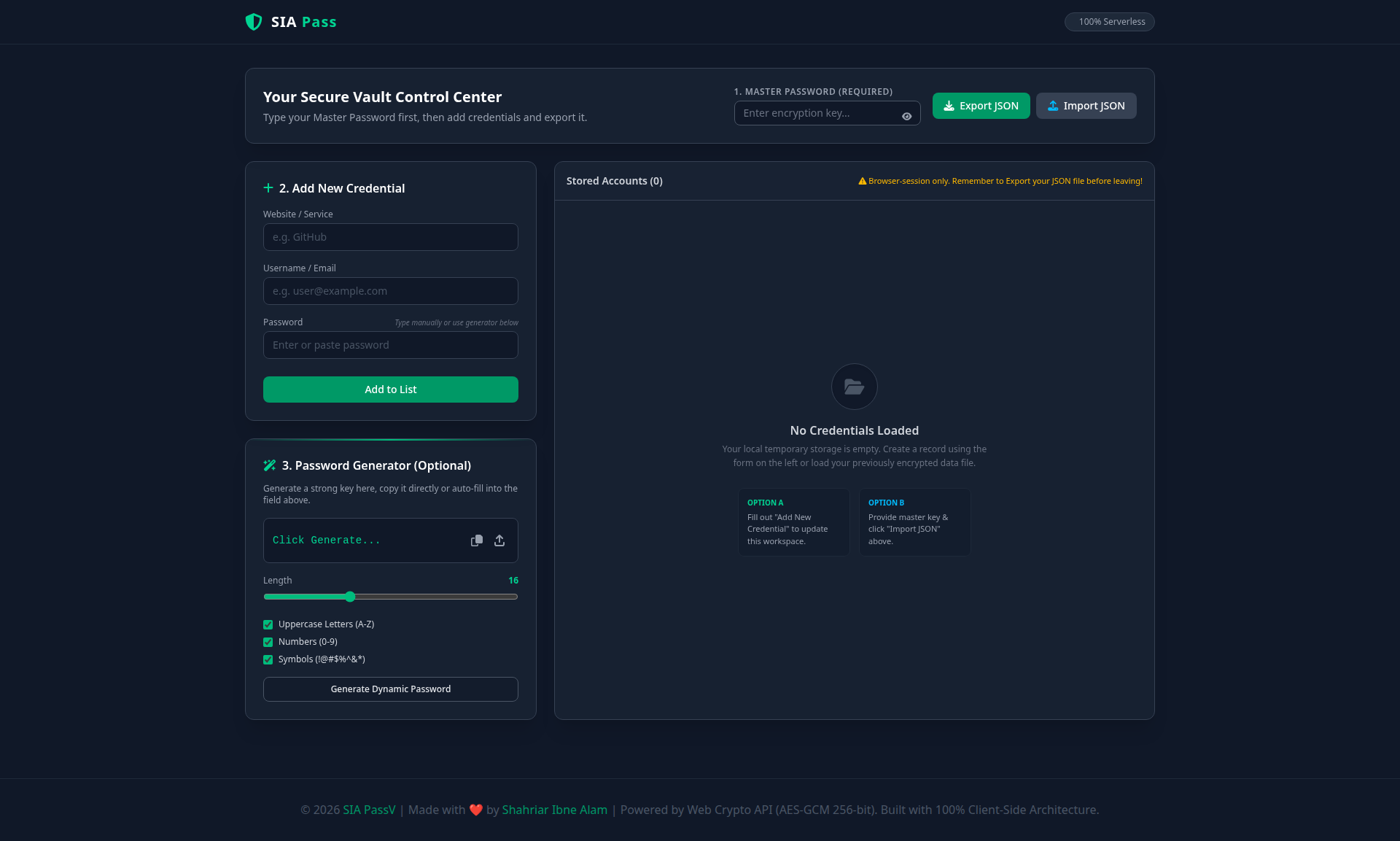
In an era where digital security and data privacy have become paramount, the challenge of managing credentials securely while maintaining accessibility is significant. SIA PassV was conceived as a response to this challenge, designed to function as a highly secure, zero-knowledge password manager that operates entirely within the user's browser. The primary objective was to eliminate the inherent risks associated with third-party cloud storage by ensuring that no data—not even encrypted blobs—is ever transmitted to a remote server. This project demonstrates how modern browser capabilities can be harnessed to create a robust security tool that empowers users with complete, localized control over their sensitive information.
The technical foundation of SIA PassV is built upon the Web Crypto API, which provides a high-performance, native interface for cryptographic operations. By utilizing industry-standard AES-GCM 256-bit encryption, I ensured that all user credentials are encrypted locally before being stored in the browser's persistent storage. The zero-knowledge architecture is strictly enforced by deriving the encryption key exclusively from the user’s master password on their own machine. Because the application never initiates external API requests, it provides an ironclad guarantee that sensitive data remains isolated from the network, providing peace of mind even in the event of a compromised internet connection.
User experience design played a pivotal role in the development of this application, as security tools are often perceived as overly complex or intimidating. I prioritized a clean, minimalist, and intuitive interface that allows users to manage their vault without the friction of account registrations or complicated setup processes. The application is designed to be fully responsive and offline-first, ensuring that users can access their credentials whenever and wherever they need them. By removing the barriers of traditional server-reliant authentication, SIA PassV offers a seamless transition between high-level security and everyday usability.
Working on SIA PassV provided an invaluable opportunity to master browser-based cryptography and the complexities of secure state management. This project serves as a compelling example of my ability to build privacy-focused applications that do not compromise on efficiency or performance. It highlights my dedication to implementing modern security standards and my skill in translating complex cryptographic principles into a polished, accessible product. By putting the user’s data sovereignty at the forefront of the design, this project stands as a testament to my commitment to building responsible, secure, and user-centric web software.
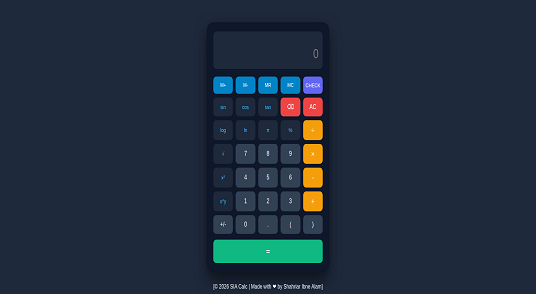
The development of SIA-Calc was driven by the goal of creating a highly responsive and precise scientific calculator that provides a seamless computational experience directly within the web browser. While there are numerous online calculators available, many suffer from bloated interfaces, slow performance, or inconsistent accuracy in handling complex mathematical operations. My objective was to engineer a lightweight, efficient, and aesthetically clean tool that bridges the gap between simple arithmetic utilities and sophisticated scientific instruments, ensuring that students, engineers, and general users have immediate access to a reliable problem-solving resource.
The architectural foundation of SIA-Calc is built upon modern JavaScript (ES6+), which allows for the rapid execution of complex mathematical algorithms. I focused extensively on the internal logic to ensure the calculator provides precise results for everything from basic arithmetic to advanced trigonometric functions, logarithms, and exponential calculations. By avoiding heavy external dependencies and focusing on optimized core logic, I achieved a performance level that feels instantaneous, providing users with real-time feedback. The implementation of standard memory functions—such as M+, M-, MR, and MC—ensures that the application maintains the utility of traditional physical calculators while leveraging the flexibility of the digital medium.
Designing the user interface required a delicate balance between functional depth and visual simplicity. I employed a clean, responsive layout using modern CSS3 techniques to ensure that the interface remains intuitive and fully functional across a diverse range of screen sizes, from high-resolution desktop monitors to compact mobile devices. The resulting design is uncluttered and focused, reducing user friction and allowing for rapid input of complex equations. By prioritizing a "mobile-first" responsive approach, I ensured that the utility remains equally effective regardless of whether a user is working at a desk or on the go.
SIA-Calc stands as a reflection of my commitment to building high-performance, user-centric web applications that prioritize utility and reliability. This project sharpened my ability to manage logic-heavy JavaScript components while adhering to clean coding standards and responsive design patterns. Beyond just the visual outcome, this case study demonstrates my capacity to translate complex mathematical requirements into a streamlined digital experience, ultimately providing a tool that is both accessible and powerful for any user in need of precise calculation.

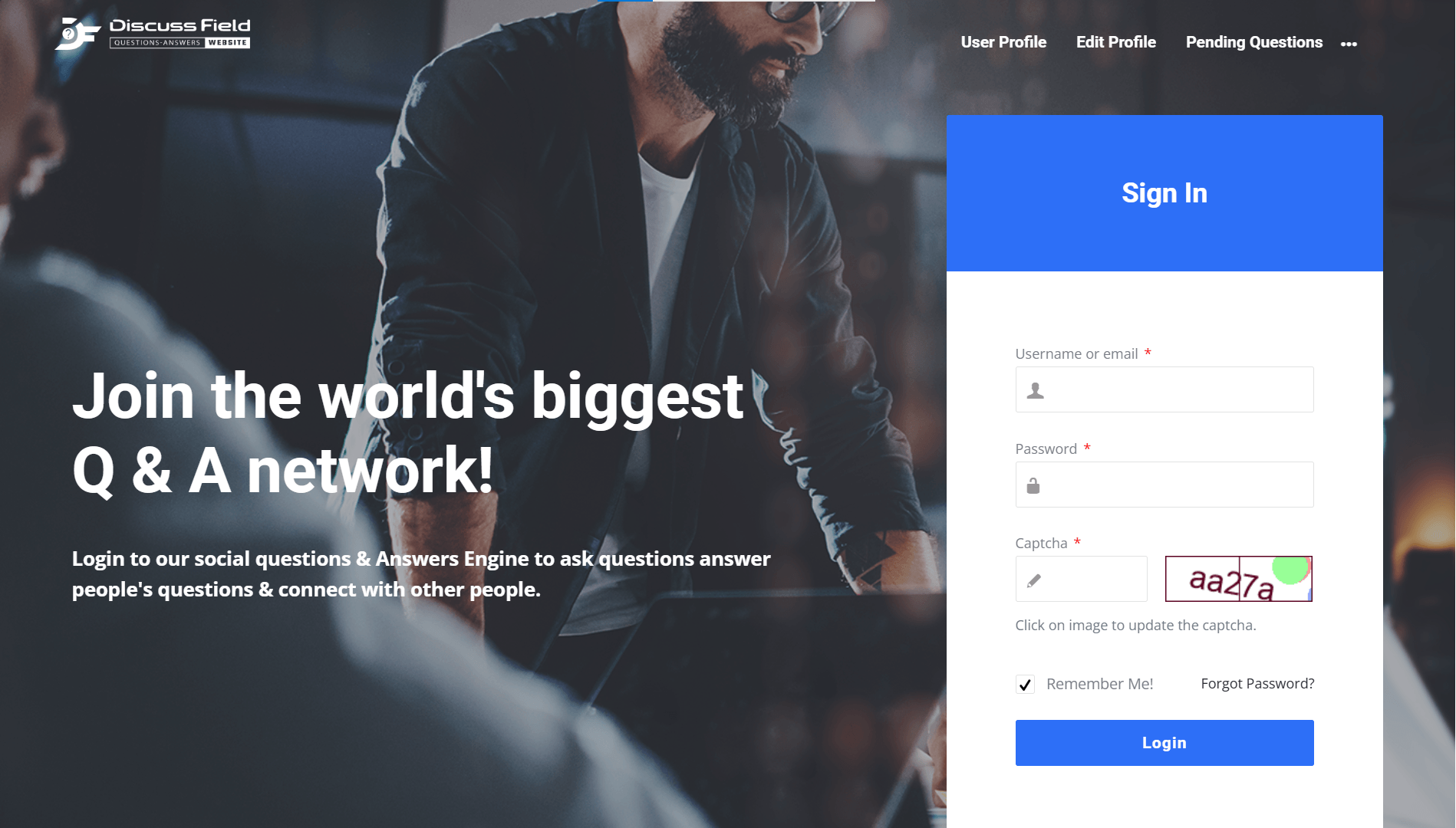
'Discuss Field' is a dynamic questions-and-answers and community-based platform designed with the objective of facilitating knowledge sharing, peer learning, and career building among people. My responsibility was to create such a visually appealing, user-friendly, and SEO-optimized platform where users can easily ask any questions and get accurate answers from others. To build a successful community ecosystem, I have been managing and supervising every aspect of the platform—including its design, Search Engine Optimization (SEO), app development, digital marketing, and social media management—from its inception to the present day. As a founder, I am directly involved at every stage, from concept development and technical implementation to driving user engagement and branding, ensuring it transforms into a reliable knowledge-sharing community. Through modern web and app technologies, the platform has been developed to be fast, mobile-friendly, and tailored to users, helping it establish itself as a trusted platform. This project is a true testament to my versatile skills, long-term vision, and capability to successfully build and manage a thriving platform.